The Arabic alphabet has 28 letters and is read from right to left. Most letters connect to their neighbours, so the same letter can look different at the beginning, middle or end of a word. You can learn to recognise those shapes without memorising a chart all at once. Start with a small family of letters, listen to their sounds and practise them in short words.
How the Arabic alphabet works
In Arabic, start a line on the right and follow it towards the left. This is true whether you read printed text or write by hand. The letters of a word usually form a connected sequence, though some letters create a break inside the word. The gap caused by a non-joining letter is not the same as the space between two words.
There are no capital letters to signal the start of a sentence or mark a name. Instead, look at the context, the spacing and the punctuation. The Arabic alphabet resource from Northwestern University is a useful reference for the letters and their forms.
Here are the 28 letters in traditional order. Start at the far right:
ا ب ت ث ج ح خ د ذ ر ز س ش ص ض ط ظ ع غ ف ق ك ل م ن ه و ي
You will also encounter hamza, written as ء or on a carrier such as أ. It marks a glottal stop, the little catch you may hear between the two parts of “uh-oh”. Learn to recognise it in a word rather than treating every shape as another entry in your first alphabet list.
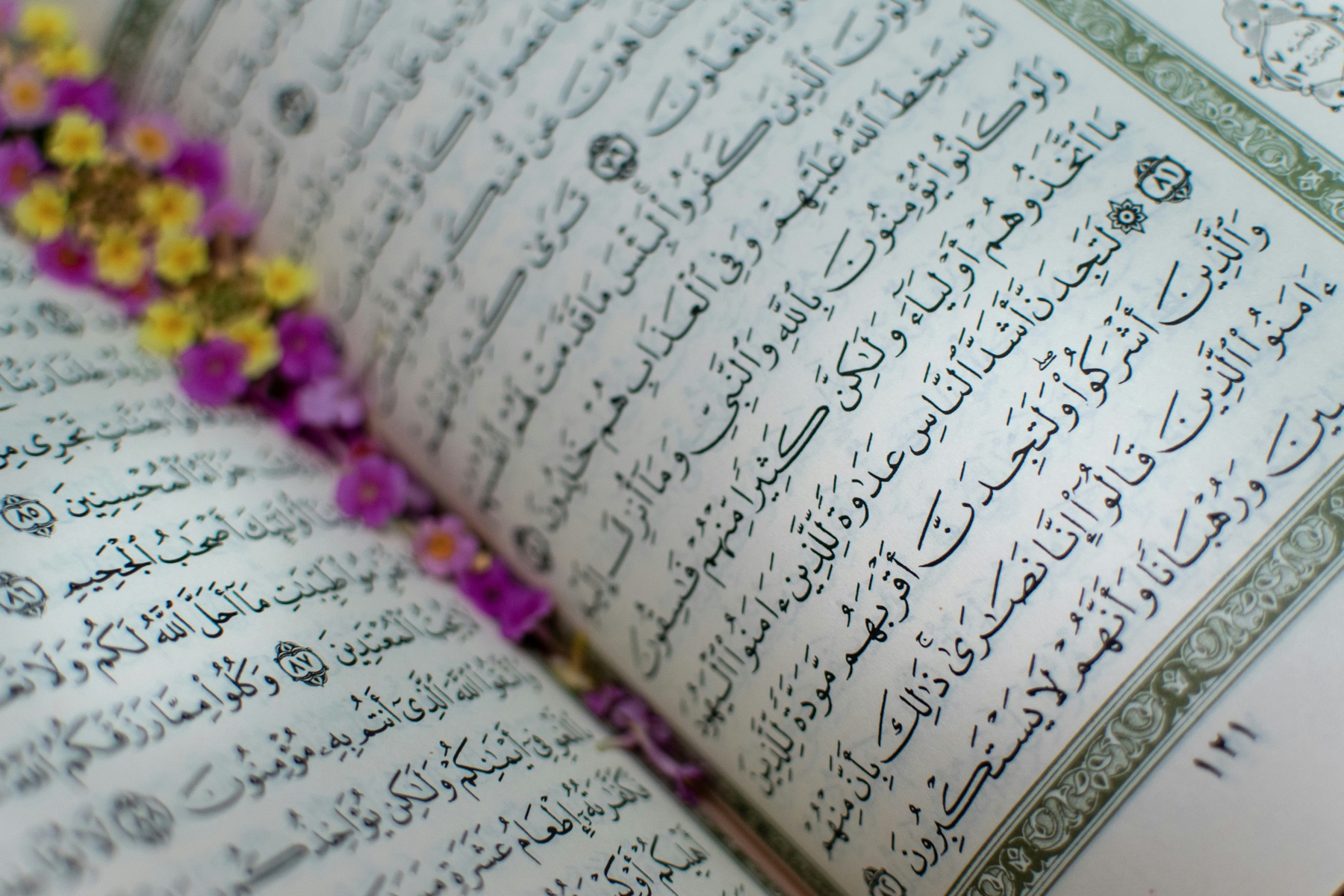
Learn related letter shapes together
Some letters share a basic outline. In ب ت ث, for example, the dots are what distinguish the letters. Bāʾ has one dot below, tāʾ has two above and thāʾ has three above. Another family is ج ح خ. Notice which members have a dot and where it sits. The dots are part of the letter, not optional decoration.
Give each letter three cues: the shape you see, the sound you hear and the movement you make with your pen. Look at the letter, say its sound, hide the example and write it from memory. Check the dots after each attempt. If two letters keep getting mixed up, put them next to one another and explain the difference aloud.
Sounds such as ḥāʾ ح and ʿayn ع can take time because they do not have direct matches in English. Listen to a clear example and copy a whole syllable rather than forcing the sound in isolation. In Arabic lessons for beginners, you can practise distinguishing similar sounds and get feedback before a pronunciation habit sets in.

See how letters join inside words
A letter can have an isolated, initial, medial or final form. Those names describe its position or connection, not different sounds. In بَاب (bāb, door), the bāʾ appears twice. The first connects to the alif. The last bāʾ appears on its own because alif does not join to the letter after it. Compare that with بِنْت (bint, girl), where the letters form one connected shape.
Six standard letters connect to a preceding letter when possible but never connect to the one that follows: ا د ذ ر ز و. Look for those letters when a word appears to split. Circle a break and ask whether it belongs inside one word or separates two words. Practising that distinction early makes lines of text less intimidating.
Read short vowels without relying on English spelling
Beginner materials often show short vowels as marks above or below the letter. A fatḥa above indicates a short a, a kasra below indicates a short i and a ḍamma above indicates a short u. Compare بَ بِ بُ: the base letter stays the same, but the syllable changes. A sukūn indicates no vowel after that consonant, and a shadda marks a doubled consonant.
Everyday Arabic print often leaves out short-vowel marks. For a beginner, fully marked text makes it possible to check whether you are reading accurately. Keep transliteration for reference if you need it, but cover it on your second pass. Your goal is to link the written Arabic directly to the sound.
Try a short reading and writing routine
- Choose three related letters. Name them, listen to each sound and copy one clear example.
- Cover the examples and write the letters from memory. Check the position and number of dots.
- Read two vowelled words containing those letters. Mark where they join and where a letter creates a break.
- Revisit the same words the next day before adding new letters. Notice what you recognise without checking the chart.
For a simple progress check, shuffle your examples or show them to someone else. Can you identify the letter when it appears in a place you did not practise? Can you read the same word in a different font? Those checks tell you more than reciting the alphabet in order. If you want help spotting an unfamiliar letter shape or getting a sound right, private Arabic lessons give you time to work through examples at your own pace.